AI-Assisted Engineering: Why I Trust Verified Agent Work More Than Chat

For me, AI-assisted engineering means using Codex and other AI coding agents as engineering tools, not as magic autocomplete. The difference matters. Chat can be useful for explanation, brainstorming, and quick drafts, but infrastructure work needs something stricter: changes that can be inspected, tested, reverted, and judged against the original requirements.

My own experience is that I trust OpenAI/Codex-style agents more than Claude Code-style workflows for long-running implementation work. That is a practical tooling judgment, not a universal law. But the public DeepSWE benchmark gives useful external support for the same pattern I see in practice: OpenAI models perform very strongly on long-horizon software tasks, with better requirement completion and strong efficiency under a shared agent harness.
Hardening the ElastiCache Benchmark: Observable Lifecycle & Durable S3 Exports

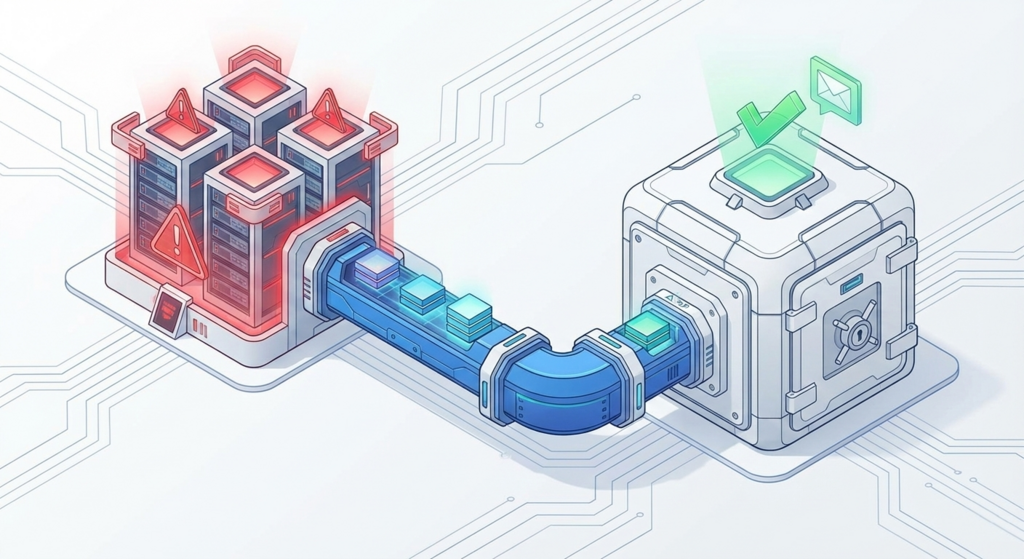
AWS ElastiCache Lab (built on Amazon ElastiCache) is a repeatable performance harness for comparing cache configurations under controlled load. Each run is time-boxed, produces exportable artifacts, and tears down deterministically to keep both cost and comparability under control.

As the harness scales up (more Amazon ECS tasks, higher memory fill rate), the bottleneck often moves away from ElastiCache itself and toward the lifecycle boundary: shutdown, exports, and verification. The engine can change (Redis today, Valkey next), the boundary and evidence pipeline should not.

Shutdown Didn't Happen: Placeholder Semantics Bug

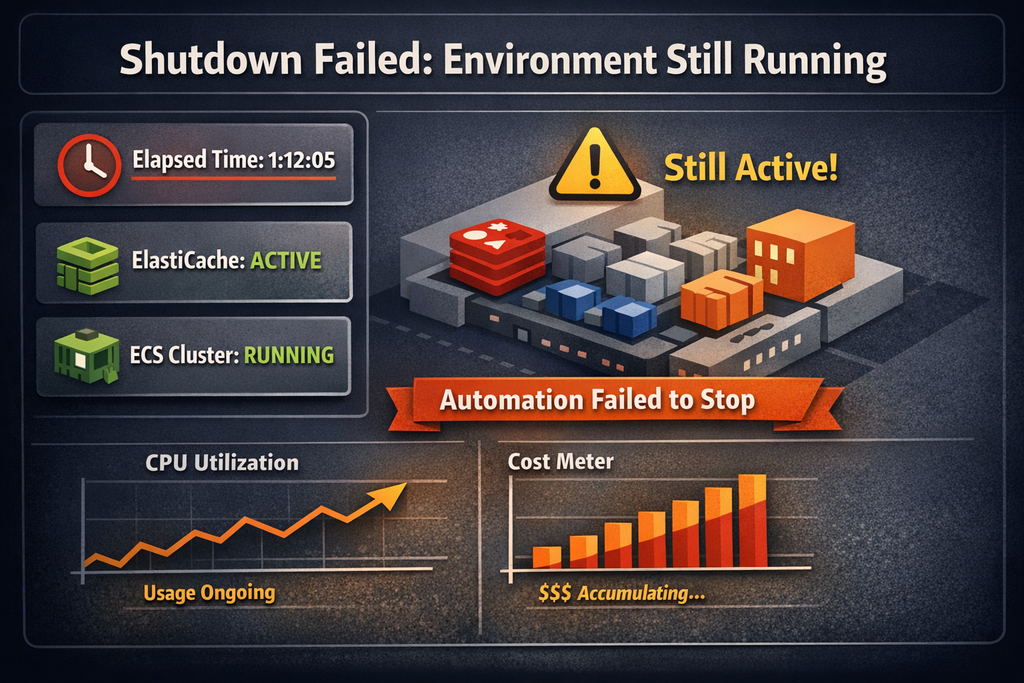
AWS ElastiCache Lab project has a hard rule: a test run is defined as one hour. That only stays true if the lab reliably shuts down on schedule. If it doesn't, I lose cost control and-more importantly for benchmarking-I risk starting the next run from a non-clean baseline.

I hit exactly that problem on an evening run.

What I observed

The run finished, but the environment was still up. Nothing looked "broken" in the usual sense: services were alive and responsive. In this lab, though, "still works" past the run boundary is a defect, because it means the lifecycle automation failed silently.

Beyond Documentation: Building a Data-Driven Test Lab for ElastiCache

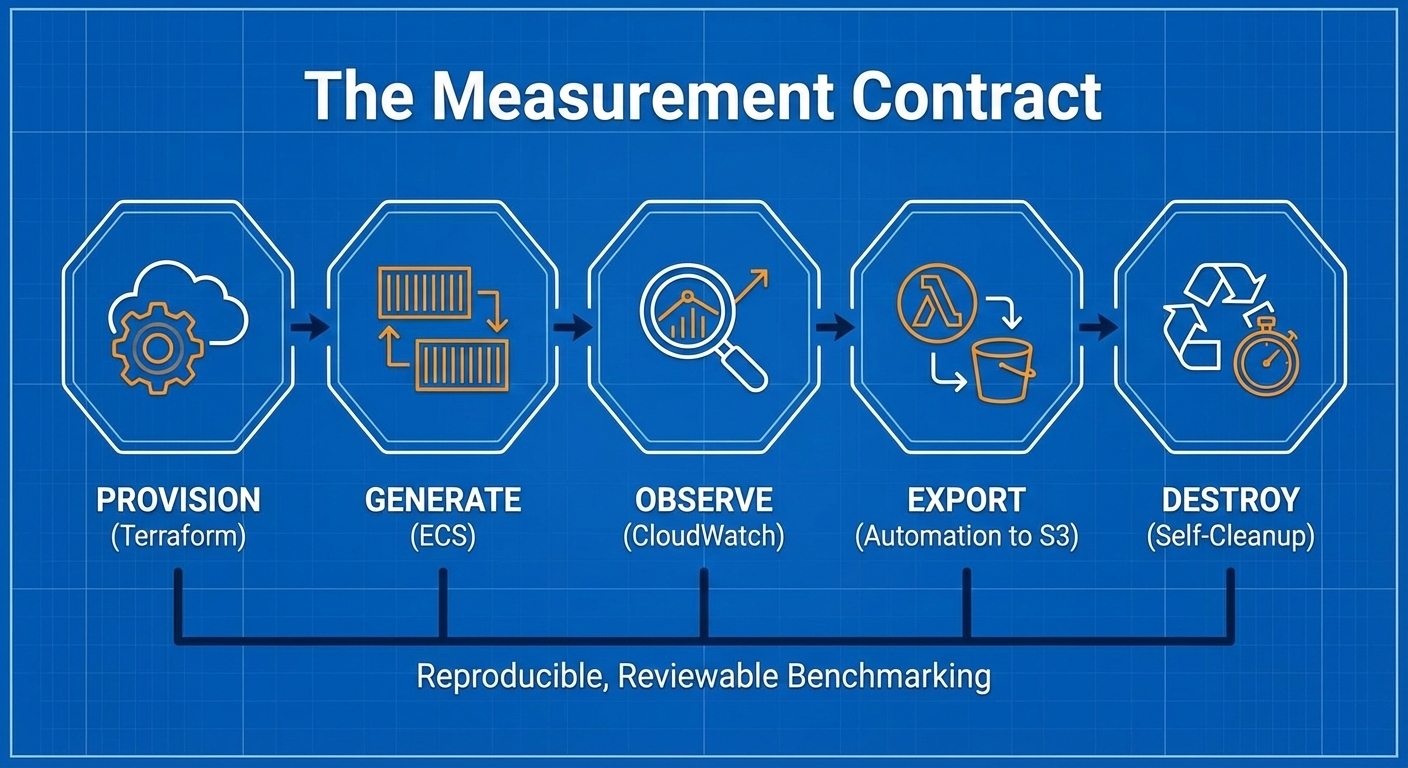
Docs Confidence is that warm, fuzzy feeling you get after reading AWS whitepapers - right before your cache hits 99% memory, your p99 latency grows a tail, and your assumptions start to melt. It's not incompetence, it's the gap between documented behavior and observed behavior under your specific workload.

I built this repeatable ElastiCache benchmarking platform to close that gap with receipts: timestamped telemetry and exportable artifacts that stand up in a design review. This lab isn't just about Redis (or Valkey) as software, it's about the architectural decisions that land in production: which engine, which instance class, and which topology delivers the best outcome for the budget.